Reflections
Graduation and Staying Human in the Age of AI
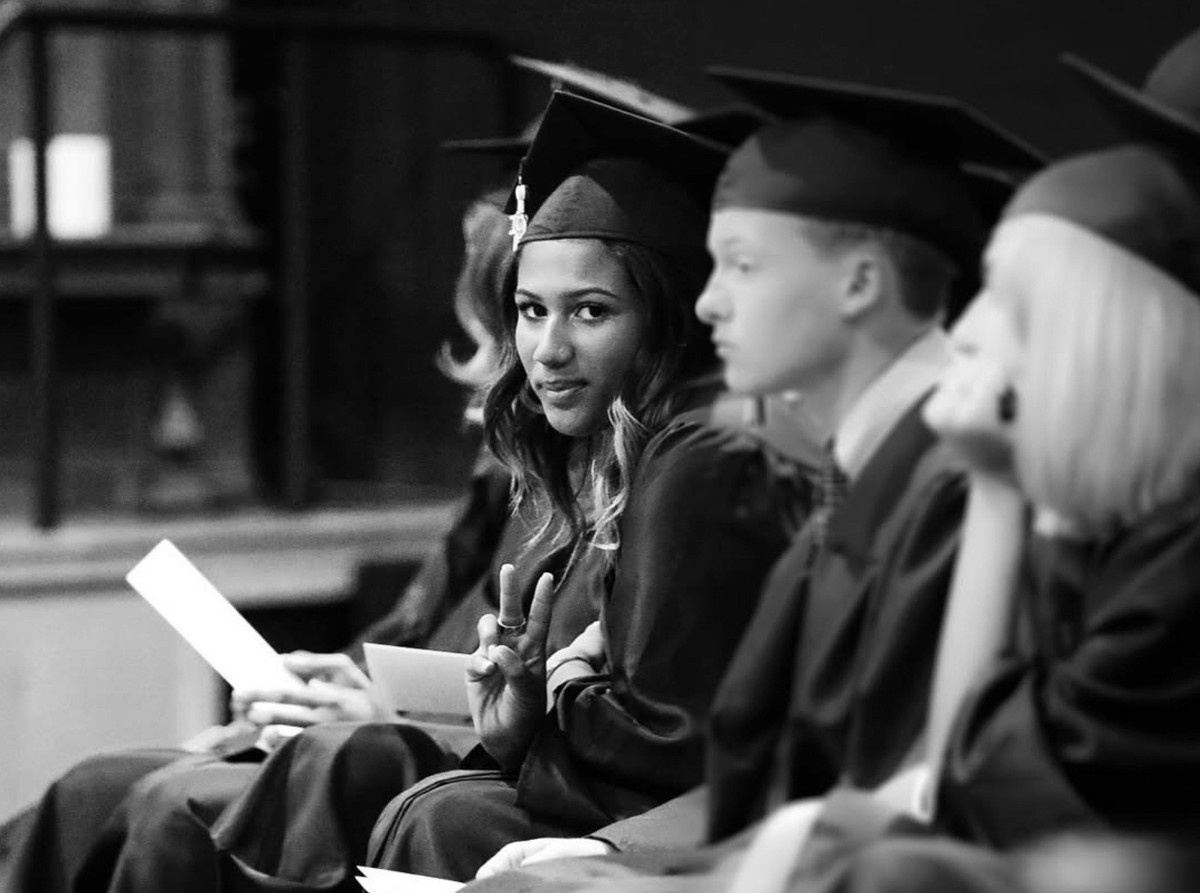
This time of year always brings a particular kind of emotion with it. Caps and gowns. Family photos. Long speeches about the future. The hopeful energy of people standing at the edge of a new season of life.
And underneath it all, if we’re honest, there’s often anxiety too.
Not just for graduates, but for parents, teachers, and all of us trying to make sense of the world they’re stepping into.
Recently, I heard someone say:
“AI isn’t going to take your job, but people who know how to use it might.”
However you feel about artificial intelligence, it’s hard not to notice how quickly things are changing. Entire industries are shifting in real time. Students are graduating into a world where information is instant, productivity is increasingly automated, and screens mediate more and more of our daily lives.
But as technology becomes more sophisticated, I find myself returning to a simpler question:
What actually makes us human?
Not efficiency.
Not optimization.
Not the ability to process information quickly.
Connection.
The ability to experience joy, grief, wonder, confusion, awe, tenderness, loneliness, love, disappointment, hope. The ability to sit across from another person and feel understood.
One of the things I witness regularly in my work as a therapist is that when people genuinely feel seen, heard, and understood — often maybe for the first time — or the first time in a long while — something happens. Walls are lowered, defenses ease, the grip of fear and shame begins to loosen, and people begin speaking from deeper and more honest places where meaningful change often becomes possible.
I think younger generations are deeply hungry for this kind of connection, even if they don’t always know how to ask for it.
One of the most important insights from The Anxious Generation is that young people are growing up in environments increasingly shaped by phones, algorithms, performance, distraction, and isolation. Many are constantly connected, but relationally undernourished.
As parents, mentors, teachers, and helping professionals, I don’t think our role is simply to give young people more information. They already have access to more information than any generation in history.
The deeper question is whether they feel connected to us.
Can they feel that we’re present?
Can they feel curiosity instead of constant evaluation?
Can they feel steadiness?
Can they feel genuine interest in who they are becoming?
Because when people stop feeling connected, they eventually stop listening.
This applies far beyond parenting. It matters in marriages, friendships, classrooms, therapy offices, churches, workplaces, and communities. Human beings are shaped relationally. We are affected by tone, attention, presence, and emotional safety in ways that no machine can replicate.
I sometimes wonder if one of the quiet mental health crises of our time is not simply anxiety itself, but disconnection from the kinds of relationships that help regulate anxiety in the first place.
Relationships where we feel seen.
Known.
Listened to.
Welcomed without performance.
Perhaps this is part of what becoming means now.
Not just learning how to compete in a rapidly changing world, but learning how to remain human within it.
For parents of pre-teens and teenagers, I genuinely recommend reading or listening to The Anxious Generation — especially with a spouse or partner if you have one. Even if you don’t agree with every conclusion, I think it raises important questions about attention, development, technology, and what young people need from us right now.
Graduation season tends to focus on achievement and next steps. Those things matter. But I also hope we continue asking deeper questions alongside them:
What kind of people are we becoming?
How do we stay emotionally awake in a distracted world?
How do we create relationships where people feel safe enough to be honest?
And how do we help younger generations experience something increasingly rare — genuine human presence?
Begin Here
You don’t have to navigate everything on your own.
Whether you’re feeling stuck, overwhelmed, disconnected, or simply wanting to understand yourself and your relationships more deeply, therapy can offer a space to pause, reflect, and move forward more intentionally.